Episode Transcript
[00:00:02] Speaker A: Yeah, Yeah, yeah.
In a room, a quiet has it. We watch the shadows grow. A single misfolded whisper turns the whole mind slow. But on bright screens and late night benches, we draw a cleaner map.
[00:00:20] Speaker B: Welcome to Bass by Bass, the papercast that brings genomics to you wherever you are. Thanks for listening and don't forget to follow and rate us in your podcast. Appreciate.
Today's episode is a special one. We are dedicating it to Lito Sousa, a Brazilian aviation communicator known to hundreds of thousands of people through his channel, Iviones Imusicas, Airplanes and music.
In August 2026, Leto shared publicly that he had been diagnosed with Creutzfeldt Jakob disease, a prion disease. Brazil's aviation and science communities have rallied around him. Leto has spent his career explaining complex technical things clearly and generously to a lay audience, which is, in a sense, exactly what this show tries to do. So today we look at the science that people like him are waiting on, and we do it carefully. You know, usually when we. When we think about a disease, we picture some kind of invader, Right. Like a virus or bacteria, Right? Yeah, some foreign pathogens. Exactly. Something that breaches the walls and just starts wreaking havoc. But prion disease, it completely flips that script. It's a. It's an internal error.
[00:01:19] Speaker C: Yeah, it really is. It's this fundamental betrayal by the body's own biology. The threat. It doesn't come from the outside at all. It is manufactured entirely in house, you know?
[00:01:30] Speaker B: Right. I like to think of it kind of like a. Like a massive, highly efficient manufacturing glitch. So imagine the body is this factory, right? And it intentionally produces this really specialized, completely normal part, and it rolls off the assembly line day in and day out. But then a flaw happens. One of those parts warps. And the terrifying thing is this single warped part, it doesn't just sit there and it. It actively starts bending all the other normal parts on the line into that same warped shape.
[00:01:59] Speaker C: Exactly. Until the entire factory is basically destroyed from the inside.
[00:02:03] Speaker B: Right. It's wild.
[00:02:05] Speaker C: And that warped part in your scenario, that's the misfolded prion protein, and it acts as a. Well, a physical template.
So once that first misfold occurs, it binds to the healthy, normally folded proteins and corrupts their structure.
But because the disease relies entirely on the factory, you know, continuing to pump out those normal parts to be corrupted, the therapeutic idea here actually bypasses the need to hunt down the warped parts directly.
[00:02:32] Speaker B: Oh, I see. So you just. You just walk into the manager's office and say, stop the assembly line.
[00:02:37] Speaker C: Right. You force the body to just make less of its own normal protein, because
[00:02:41] Speaker B: if you cut off the supply, the normal part, you just. You remove the fuel for the fire.
[00:02:45] Speaker C: Exactly. Remove the fuel, the fire stops.
[00:02:47] Speaker B: And this brings us to the research we're analyzing for this deep dive.
[00:02:50] Speaker C: Right.
[00:02:50] Speaker B: Which really represents a. Just a major leap forward in how we might actually achieve that genetic shutdown.
[00:02:56] Speaker C: It does. And the research driving this comes from a highly specialized collaboration. So the Volab and Minica Laboratory at the Broad Institute of MIT and Harvard, they partnered with Anastasia Kovarova's Laboratory at the UMass Chan Medical School, and they basically combined this deep, deep expertise in prion biology with really cutting edge RNA chemistry.
[00:03:17] Speaker B: Okay, let's unpack this for a second. Because the clock is ticking for patients, so researchers couldn't just rely on, you know, brute force. Right. They had to exploit the protein's own biological life cycle. And I feel like we really have to acknowledge Sonia Valov's role here. She is a lead scientist driving this exact molecular research. And this is incredible. She's also a known carrier of a highly penetrant pathogenic variant of the PRNP gene.
[00:03:46] Speaker C: Yeah.
Factually speaking, she is systematically developing a therapy for a fatal neurodegenerative disease that she herself is at severe risk of developing.
[00:03:54] Speaker B: Wow. I mean, talk about stakes, right?
[00:03:56] Speaker C: It focuses the mind in a way very few scientific endeavors can. So her lab, working alongside the Korova lab, they're engineering this highly specific molecular tool with a literal ticking clock in the background. And to understand how this tool actually intercepts the assembly line, we need to look closer at the factory floor.
[00:04:11] Speaker B: Yeah, let's get into the biology there. So the protein we're trying to stop is called prp, or prion protein, and it's encoded by a specific gene. Gene in our DNA known as the PRNP gene, Right.
[00:04:22] Speaker C: Correct.
[00:04:23] Speaker B: And in its normal state, PRP is expressed on the surface of cells, particularly neurons in the brain.
[00:04:30] Speaker C: Yeah. And the normal version does have physiological functions, though researchers are still, you know, unraveling the full extent of its role. Things like cellular signaling or myelin maintenance.
[00:04:41] Speaker B: Right, but the normal version is just the substrate.
[00:04:43] Speaker C: Exactly. The neurotoxicity only occurs when PRP misfolds into a rogue prion, which triggers that domino effect you mentioned earlier.
[00:04:51] Speaker B: Right, but prion disease isn't just a single genetic condition, though. I mean, you have genetic forms like the one Sonia Valab carries. You have acquired forms, but roughly 85% of all prion disease cases are completely sporadic. Right. They just happen spontaneously without any underlying genetic mutation.
[00:05:08] Speaker C: That's right. About 85% are sporadic.
[00:05:11] Speaker B: So let me play devil's advocate here. If most cases are sporadic and just happen spontaneously, why target the gene? Doesn't that seem kind of counterintuitive at first glance?
[00:05:21] Speaker C: Well, this is where the underlying biology really dictates the strategy. The brilliance of the PRP lowering approach is that it is fundamentally agnostic to how the fire started.
[00:05:31] Speaker B: Oh, I see.
[00:05:31] Speaker C: Yeah. Whether the first misfolded protein occurred due to a genetic mutation or it was acquired externally, or. Or in the case of that 85% of sporadic patients misfolded spontaneously due to just a random thermodynamic event. The outcome relies on the exact same mechanism.
[00:05:48] Speaker B: Right, because every single form of cryon disease requires a continuous supply of the body's normal prion protein to correct the cascade. Just cannot continue without it.
[00:05:57] Speaker C: Exactly. Which means shutting down the PRNP gene's output is a universally relevant strategy across all forms of the disease. Remove the raw material and the prion has nothing left to convert.
[00:06:07] Speaker B: Okay, so we know the target. The goal is to lower normal prp.
But getting drugs into the central nervous system to actually turn off a gene is notoriously difficult, isn't it? Because of the blood brain barrier?
[00:06:20] Speaker C: Oh, absolutely. It's a massive hurdle.
[00:06:22] Speaker B: Right. Because it's this highly selective semipermeable border that evolves specifically to keep foreign substances out of our brain tissue.
So to bypass it, this team utilized a technology called sirnaia.
Short interfering RNA delivered directly into the cerebrospinal fluid.
[00:06:41] Speaker C: Yeah, and delivering standard single stranded RNA therapies like antisense oligonucleotides into the cerebrospinal fluid, that has been done before, but it presents a really significant biodistribution challenge.
[00:06:52] Speaker B: How so?
[00:06:53] Speaker C: Well, when you inject a standard monovalent RNA molecule into the fluid bathing the brain, it really struggles to penetrate deeply into the dense, lipid rich tissue of the central nervous system.
[00:07:03] Speaker B: Because it just clears out of the fluid too quickly. Right. Or it kind of pools near the injection site rather than washing evenly over the whole brain and spinal cord.
[00:07:10] Speaker C: Exactly. That poor distribution is a major bottleneck.
The tissue architecture of the brain is just incredibly dense.
So small monovalent molecules often lack the tissue retention properties required to diffuse widely and deeply before they are swept away by the rapid turnover of cerebrospinal fluid.
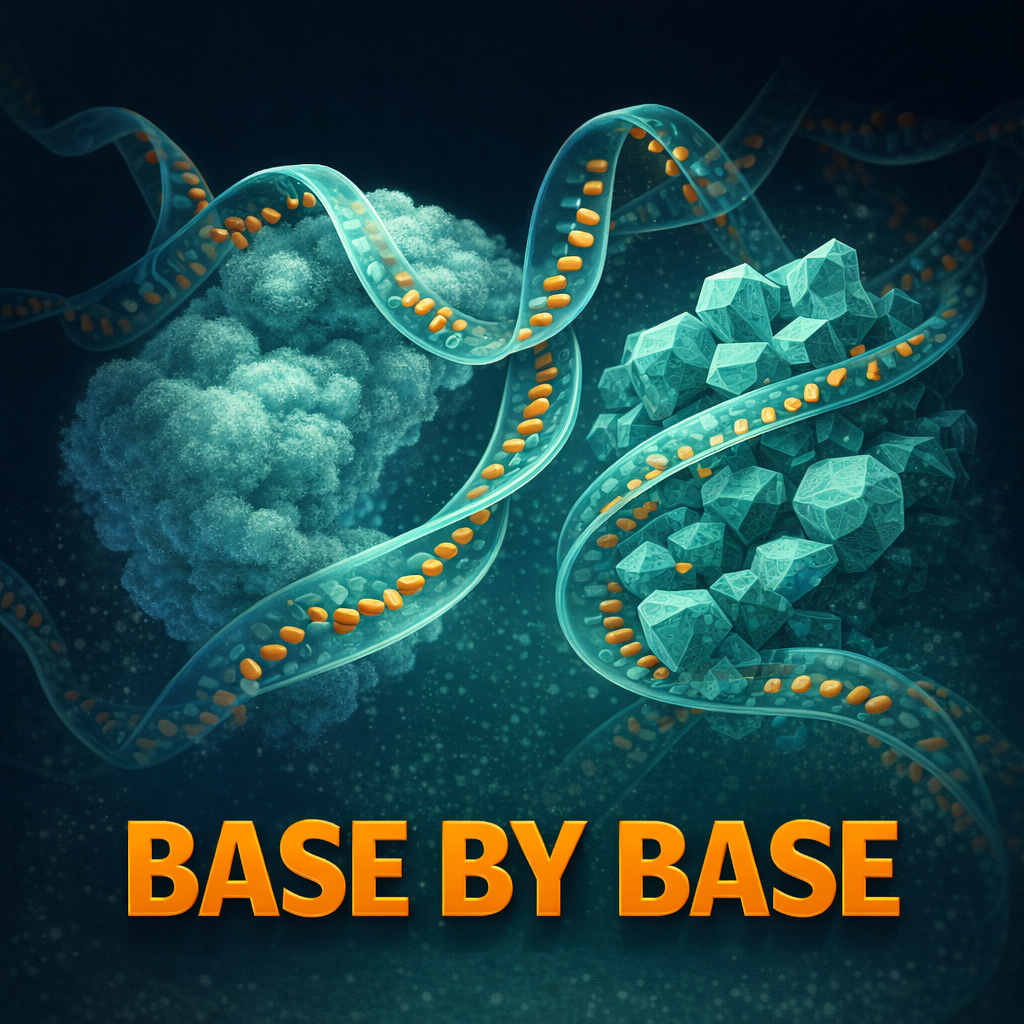
[00:07:30] Speaker B: Okay, so here's where it gets really interesting. Instead of using a standard monovalent Serena, which is like, say, throwing a Single dart. This team used a divalent serinae. And structurally, it looks kind of like a molecular barbell.
[00:07:43] Speaker C: Right.
[00:07:44] Speaker B: It is literally two identical, fully chemically modified serenae molecules physically connected by a central chemical linker.
[00:07:52] Speaker C: That's a great way to describe it. And linking them together like that fundamentally changes the pharmacokinetic properties of the drug. By doubling the molecular weight and creating this bivalent struct, the molecule interacts entirely differently with the extracellular matrix of the brain.
[00:08:06] Speaker A: Whoa.
[00:08:06] Speaker C: It significantly improves tissue retention, which allows the drug to spread widely throughout the brain and spinal cord, rather than just being immediately cleared out.
[00:08:14] Speaker B: So once that molecular bow bell gets inside the neurons, it hijacks a piece of cellular machinery called the RISC complex. Right.
[00:08:20] Speaker C: Yes.
[00:08:21] Speaker B: The CIRNA acts as a guide sequence, telling this naturally occurring molecular shredder to find and destroy the messenger RNA for the prion protein before it ever even reaches the ribosome to be manufactured.
[00:08:33] Speaker C: Exactly. The cell is effectively tricked into destroying its own blueprint for the prion protein. But achieving that inside a living mammalian brain, that requires an intense level of chemical engineering. Because RNA is inherently unstable, if you inject naked RNA into the body, naturally occurring enzymes called nucleuses will chew it up in seconds.
[00:08:54] Speaker B: So they spent a massive amount of effort optimizing the chemical structure of this barbell, and they landed on a specific configuration they call the S4 scaffold.
[00:09:01] Speaker C: Right. The S4 scaffold.
[00:09:03] Speaker B: And this scaffold walks a really tight line between efficacy and toxicity. From what I understand, they significantly reduced the number of phosphorothiote or Ps linkages and introduced extended nucleic acid or XNA linkages to compensate.
[00:09:17] Speaker C: Yeah, and that reduction of those PS linkages is crucial for safety. Phosphorothioate modifications involve basically replacing an oxygen atom with a sulfur atom in the RNA backbone.
[00:09:29] Speaker B: Okay.
[00:09:29] Speaker C: And while this modification has historically been vital for helping oligonucleotide drugs resist degradation and get taken up by cells, high PS content is a known driver of neurotoxicity.
[00:09:40] Speaker B: Oh, I see.
[00:09:40] Speaker C: Yeah. It can cause proteins in the brain to inappropriately stick to the drug, triggering immune responses or cellular stress.
[00:09:47] Speaker B: So they stripped away a lot of those toxic PS linkages to make the drug safer for neurons. But to prevent the drug from just getting shredded by enzymes without that protection, they added the XNA linkages.
[00:09:59] Speaker C: Precisely. The XNA modifications physically alter the conformational shape of the RNA strand at specific vulnerable points. It changes the geometry just enough so that the body's natural nucleuses, those molecular Scissors trying to snip the RNA apart, they can no longer physically lock onto the strand.
[00:10:15] Speaker B: That's so clever.
[00:10:16] Speaker C: It is. It confers massive structural stability without the toxic side effects of heavy sulfur modifications.
[00:10:22] Speaker B: And they also used a fixed UU or double uracil tail at the three prime end of the antisense strand. And that mismatched tail helps the molecule seamlessly load into that RISC complex shredder without compromising its ability to cleave the target. I mean, it's an incredibly elegant piece of engineering.
[00:10:40] Speaker C: It really is.
[00:10:41] Speaker B: So they delivered this highly optimized S4 barbell via intrathecal injection so directly into the spinal canal. And to measure if it worked, they used RTQPCR to measure the RNA levels, basically checking if the blueprints were intercepted. And ELISA assays to measure the actual PRP protein levels on the factory floor.
[00:10:59] Speaker C: Right. And that dual measurement ensures that the drug is functioning precisely as designed. The RTQ PCR confirms the mechanism of action, the destruction of the messenger rna, while the ELISA confirms the functional outcome, which is the physical absence of the protein itself.
[00:11:12] Speaker B: Okay, so we have the tool and we have the target.
But testing this required a very specific biological environment, didn't it? Because this drug, designated as sequence 2439 4, is highly specific to the human genetic code, they couldn't just inject it into regular mice because the sequence wouldn't match.
[00:11:29] Speaker C: Exactly. The drug is perfectly complementary to human PRMP mRNA. So to test its efficacy, the researchers had to utilize a completely novel transgenic mouse model named TG26372.
These mice have been genetically engineered to express the full unedited human PRNP gene.
[00:11:50] Speaker B: Wait, so they literally inserted the human factory into the mouse, including all the non coding regulatory sequences, just to test this human specific molecular wrench?
[00:11:59] Speaker C: They did. And retaining those non coding regulatory sequences is vital because they dictate how, when and where the gene is expressed in the brain, mirroring human biology much more closely than older transgenic models. And the knockdown results they achieved in this model were just unprecedented.
[00:12:15] Speaker B: Yeah, let's talk about those numbers. So sequence 2439's four achieved a massive knockdown. A single 348 microgram dose lowered the human PRP across the whole brain hemisphere to exactly 17% residual expression after 30 days. Yeah, and even when they dropped the dose down to 52 micrograms, it still lowered the protein to 49% residual expression.
[00:12:35] Speaker C: And the depth of that suppression across the entire hemisphere really proves that the divalent structure successfully Overcame the biodistribution hurdles that usually plague CNS delivery.
[00:12:45] Speaker B: I mean, a 17% residual is incredibly low.
But in a neurodegenerative context where corrupted proteins self propagate, is 17% low enough to actually halt the domino effect. And you know, how long does that suppression last before the factory spins back up?
[00:13:01] Speaker C: The durability data really addresses that. The chemical stabilization provided by the S4 scaffold allowed the activity and target suppression to last up to six months following that single intrathepical dose.
[00:13:12] Speaker B: Wow. Six months from one dose.
[00:13:14] Speaker C: Yeah. Sustaining that low level of protein for half a year off a single injection Suggests a profound alteration of the disease environment.
[00:13:22] Speaker B: Okay, so lowering the normal protein is the mechanism, but the ultimate goal is stopping the disease.
To answer whether this actually extended life, they had to run an efficacy model. Now, they couldn't ethically or safely test human prions in these humanized mice Due to severe occupational hazards. Right, like for the lab workers handling human infected material.
[00:13:42] Speaker C: That's right. BSL3 facilities and extremely rigorous protocols are required for human prions, which makes large scale mouse survival studies incredibly, incredibly prohibitive. So they pivoted to a well established surrogate model.
[00:13:55] Speaker B: What did they use?
[00:13:56] Speaker C: They used wild type mice inoculated with a mouse adapted prion strain called rml and treated them with a mouse targeted version of the drug. Which is compound 1682 S4.
[00:14:08] Speaker B: Okay, so it's the exact same divalent barbell concept, Featuring the exact same S4 chemical scaffold just calibrated with a sequence that matches the mouse genetic code instead of the human one.
[00:14:18] Speaker C: Correct. And the survival data from this surrogate model was definitive when they treated the mice presymptomatically. Meaning the prion infection was active in the brain. But the mice were not yet showing clinical signs. A single dose administered every 120 days resulted in a 2.7 fold increase in survival time compared to untreated mice.
[00:14:38] Speaker B: A 2.7 fold increase is massive in a rapidly fatal model like that. But perhaps more relevant to a clinical setting, they also treated a cohort of mice after symptom onset. Right when the neurological damage was already actively occurring.
[00:14:50] Speaker C: Yes, they did.
[00:14:51] Speaker B: And even then, a single dose resulted in a 64% increase in survival time.
[00:14:56] Speaker C: Which is huge because halting a neurodegenerative cascade that is already in motion is notoriously difficult. A 64% extension in survival post symptom onset indicates that by rapidly pulling the normal PRP substrate out of the environment, the brain is afforded a critical window to tolerate the existing prions without immediately succumbing to further toxicity.
[00:15:18] Speaker B: Okay, I really need to step in here and frame these efficacy results clearly for our listeners. These are mouse models. The depth of protein lowering is fantastic, and the fact that the mechanism extends life in a mammalian brain is a huge proof of concept. But mice have vastly different brain volumes, completely different cerebrospinal fluid dynamics, and the disease progresses on a timescale of months rather than years. We absolutely cannot extrapolate a 64% survival extension in a mouse directly to a human clinic.
[00:15:45] Speaker C: No. And the researchers are highly transparent about this reality. What cures a mouse does not automatically translate to a human. The physiological distance between a 1 gram mouse brain and a 1.4 kilogram human brain is vast.
So to cross that gap, the compound had to undergo rigorous IND enabling studies.
[00:16:04] Speaker B: Right. And IND stands for Investigational New Drug. Before the U.S. fDA clears a drug for human trials, it requires massive safety and toxicology testing in larger mammals under good laboratory practice. Or GLP conditions.
[00:16:17] Speaker C: Exactly. So the clinical candidate 2439. 4 was subjected to GLP toxicology studies in both rats and beagle dogs.
[00:16:25] Speaker B: Why dogs?
[00:16:26] Speaker C: Dogs are particularly important here because their larger brain volume and more complex cerebrospinal fluid flow dynamics provide a much closer approximation of how the drug will behave physically and chemically in human spine and brain.
[00:16:40] Speaker B: And they administered the drug via intralytical injection. Up to pretty massive doses. Right. Like specifically up to 200 milligrams in the dogs. Pushing the dose that high is essentially a stress test. You're trying to find the ceiling where the drug becomes toxic to the nervous system.
[00:16:51] Speaker C: That's right. And they monitored a comprehensive suite of safety markers. They looked at hematology, serum chemistry, and most importantly, detailed tissue pathology to check for microglial activation or astrocyte reactivity, which are the hallmarks of neuroinflammation.
[00:17:07] Speaker B: Right.
[00:17:08] Speaker C: The remarkable outcome was that across all these models up to those extreme doses, they found no significant adverse liabilities.
[00:17:16] Speaker B: So the structural innovations of that S4 scaffold, removing the toxic PS linkages and stabilizing with XNA, clearly worked. The drug didn't cause the neurotoxicity that has historically derailed other oligonucleotide therapies and late stage preclinical testing. So the FDA reviewed this entire dossier, the mouse efficacy, the clean dog and rat toxicology data, the chemistry profiles, and they cleared the IND application. Meaning 2439 tax 4 is now moving into clinical trials.
[00:17:45] Speaker C: Yes, but I must state this clearly and without hedging regarding what that actually means for patients. Right now, the trial that has been cleared is a phase 1 trial. The primary overriding design of a phase 1 clinical trial is to assess safety, tolerability and pharmacokinetics in humans. It is designed to evaluate how the human body processes the drug and at what dose it is set safe. It is not yet known whether this drug actually helps patients or modifies the disease progression in humans.
[00:18:11] Speaker B: Right. So, I mean, we have immense hope based on the biological mechanism, but we do not have clinical proof yet. And it's really important to look at the limitations of the study itself.
One of the biggest unanswered questions is uniform drug exposure. Injecting a drug into the cerebrospinal fluid bathes the outside of the brain and the spinal cord effectively. But prion disease ravages the entire brain, including deep subcortical regions like the putamen.
[00:18:35] Speaker C: And getting a large molecule like a divalent surinae to penetrate deeply and evenly into those subcortical structures remains a formidable pharmacokinetic challenge. Furthermore, the lack of a human prion challenge model means the field is relying on a bridge of biological logic. The mouse drug works against mouse prions, Therefore, the human drug should work against human prions.
[00:18:56] Speaker B: And as we know, biology loves to throw curveballs. But the researchers have systematically engineered their way through the preclinical hurdles, mitigating every biochemical risk they possibly can in the lab.
Now, the definitive answers can only be generated in the clinic. So we've covered a staggering amount of molecular biology and pharmacology in this deep dive. If you had to distill this entire research paper into a single core takeaway, how would you summarize it?
[00:19:22] Speaker C: Well, I'd say it's this Divalent serinae offers a potent and highly durable mechanism for lowering prion protein throughout the brain, proving highly effective in animal models. By utilizing the optimized 24394 scaffold, researchers have developed a targeted clinical candidate that is safely cleared preclinical toxicology and is now ready for human evaluation.
[00:19:42] Speaker B: It is a monumental achievement in genetic medicine. And it leaves me with this thought to Mulhover. If we can successfully instruct the human brain to safely stop manufacturing its own rogue proteins using this perfectly engineered molecular barbell, this exact mechanism could eventually rewrite the rulebook for how we treat other catastrophic neurodegenerative diseases where our own biology turns against us.
Imagine applying this localized, highly stable gene silencing architecture to target the proteins driving Alzheimer's or ALS or Huntingtons. The implications for treating the untreatable are boundless. We open this episode with Lito Sousa, and we close with him to the investigators at the Broad Institute and at UMass Chan and to the sponsors of the trials now underway. There is a patient in Brazil on a waiting list whose community is following this work closely and who has spent his life making technical knowledge accessible to ordinary people. We understand that enrollment in the clinical trial is governed by protocol criteria and by clinical judgment, not by public appeals, and we would not ask otherwise. We ask only that the door be looked at and that families outside the United States be remembered. When access is designed to listeners who want to help. The CJD foundation maintains resources for patients and families, and this trial is registered on ClinicalTrials.gov as NCT 07444580. Those are the real doors, Lito. This one is for you and for your family. This episode was based on an Open Access article under the CC BY 4.0 license. You can find a direct link to the paper and the license at our episode description if you enjoyed, follow or subscribe in your podcast App and leave 5 star rating. If you'd like to support our work, use the link in the description now. Stay with us for an original track created especially for this episode in Edit.
[00:21:32] Speaker A: Yeah yeah In a room a quiet has it we watch the shadows grow A single misfolded whisper turns the whole mind slow but on bright screens and late night benches we draw a cleaner map Two strands tied like a promise set inside a molecular trap yeah loaded in the wrist machine Let the blade find what's wrong Less heavy armor on the instal Stable still strong A small U at the finish like a key in the lock and the message starts to falter like footsteps losing clock Cut the thread cut the thread Leave the silence where it spread Turn the volume down on PRP Let the danger lose its head hold it deep, hold it long months have come from one clean start if we can lower what we're making we can change the end.
In living brain landscapes the numbers finally move 17% remaining proof that proof can prove from early days adulting to a late last minute chance Time stretches out in survival curves New room for life to dance not every corner gets the same share of the tide and some questions say behind the safety door locked tight but the lead runs clean through testing no red flags in the line so we aim for first footsteps Human time Cut the thread cut the thread Leave the silence where it spread Turn the volume down on PRP Let the danger lose its head. Hold it deep, hold it long. Let the knife release its grip. Two strands, one clear direction. Watch the future start to shift.